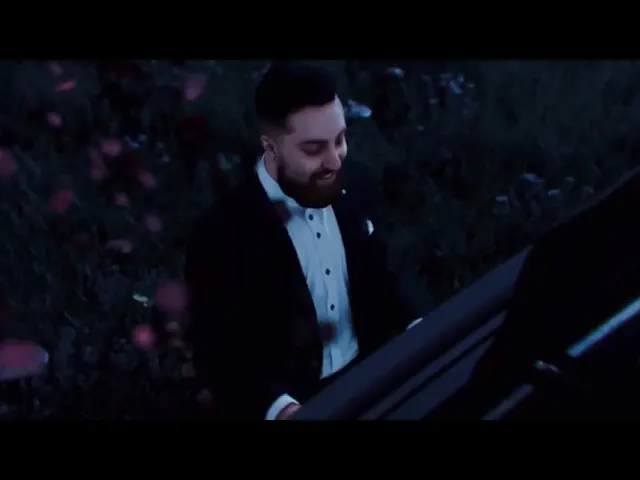
The Dark VR — Immersive Music Video Experience
CATEGORY
Interactive
TIMELINE
2 months
INDUSTRY
Entertainment
TOOLS
Figma, Adobe Creative Suites, Unreal Engine
💬 Project Overview
🌱 Problem & Opportunity
Designing user interfaces for VR presents unique challenges compared to traditional digital products.
Overly complex UI can break immersion, while unfamiliar interaction systems can create friction for users who are new to VR.
⚡️Challenges:
Maintaining narrative immersion while introducing interaction
Designing UI that feels native to the VR environment
Supporting first-time VR users with minimal learning curve
Ensuring interactions enhance rather than interrupt the emotional storytelling
The opportunity was to create a minimal and intuitive interaction model that allows users to focus on the emotional journey of the music.
👩🏻💻 My Role
As part of the Departure Lounge team, I was responsible for shaping the end-to-end UX of the VR experience, ensuring that interactions supported the narrative and emotional pacing of the music.
Responsibilities
Designed VR navigation and menu systems
Created interaction flows for in-world experiences
Collaborated with Art Director, developers, and production team
Conducted user testing and iteration
Assisted with SXSW VR submission materials
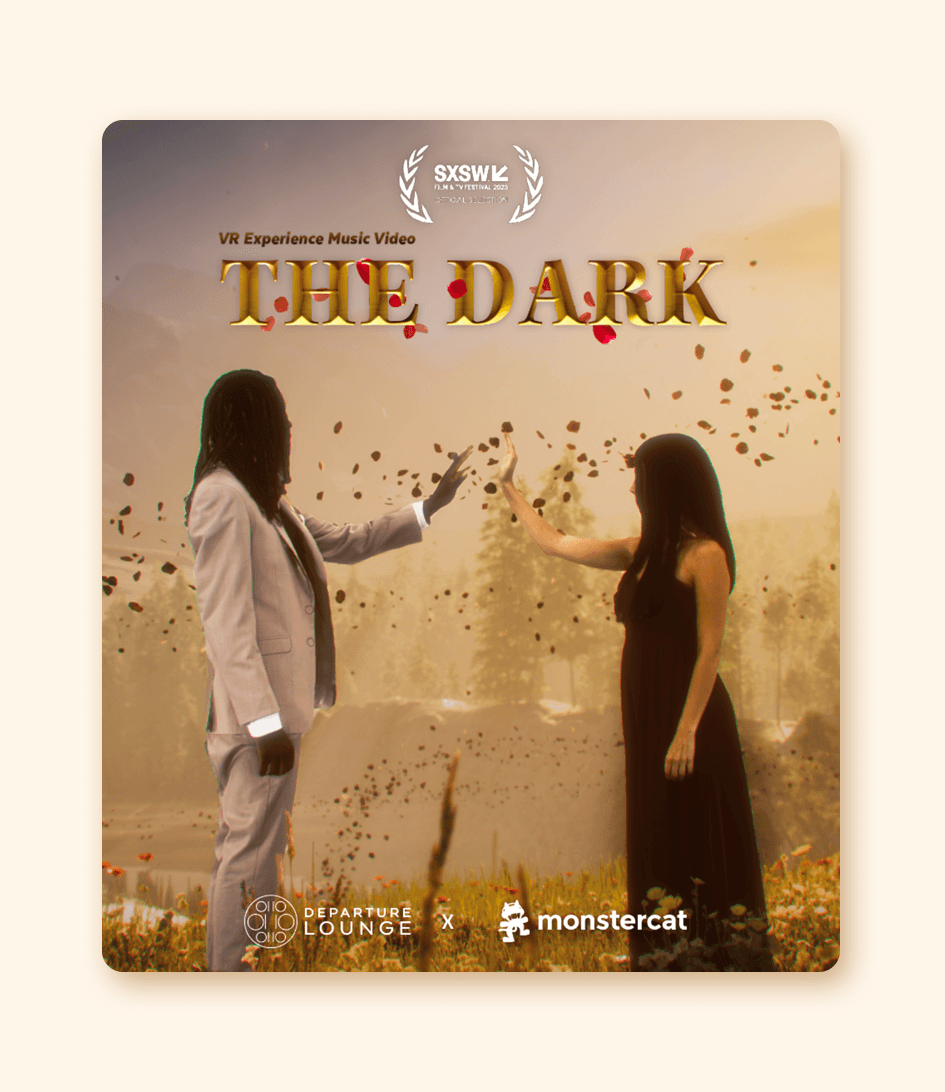
Designed promotional assets including printed posters, online promotional materials, and a collaborative project logo Departure Lounge X WhippedCream
This was also my first project working with Unreal Engine, requiring rapid learning and close collaboration with engineers to adapt designs to technical constraints.
🏆 Project Scope / MVP
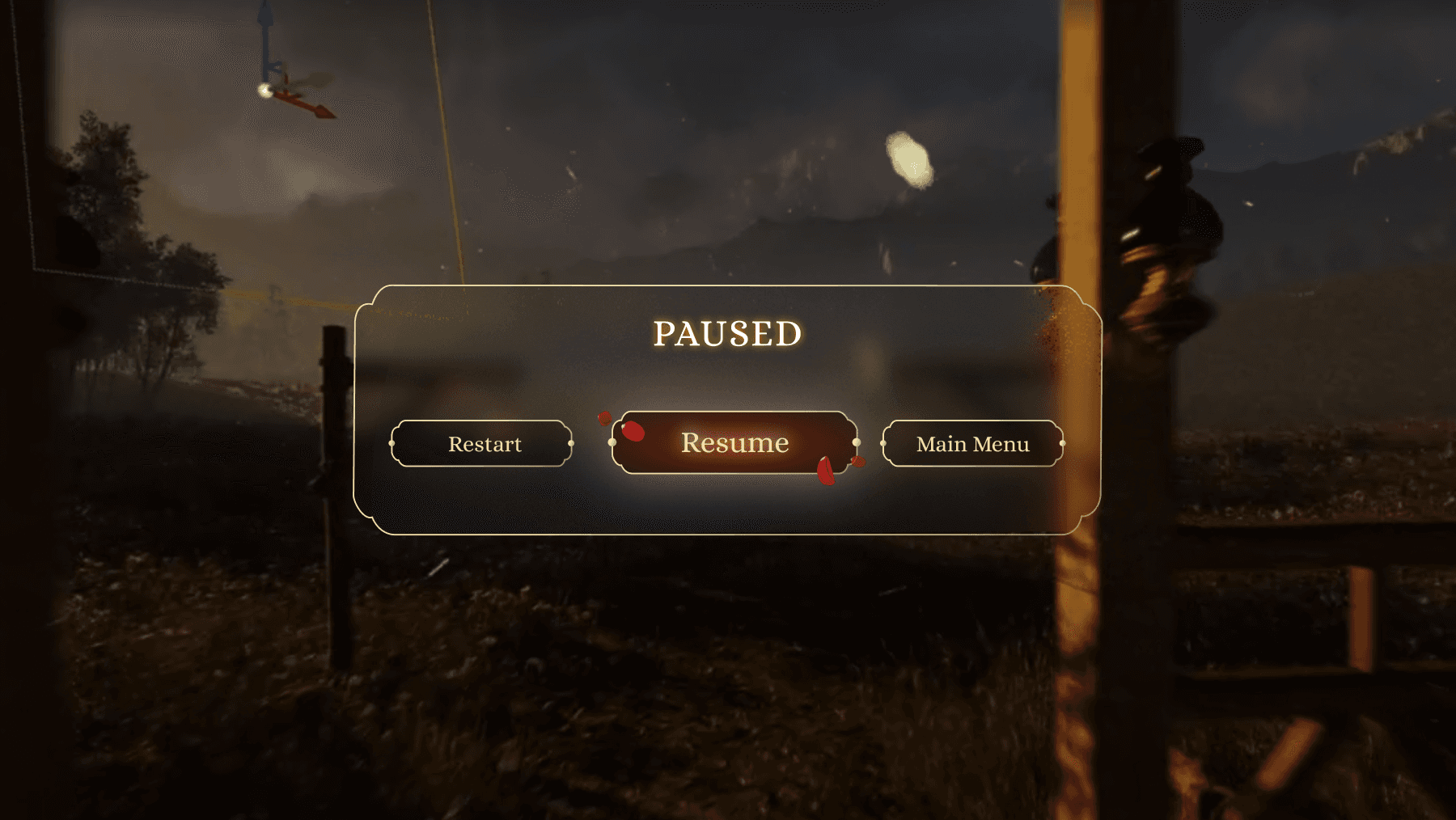
VR Navigation & Menus
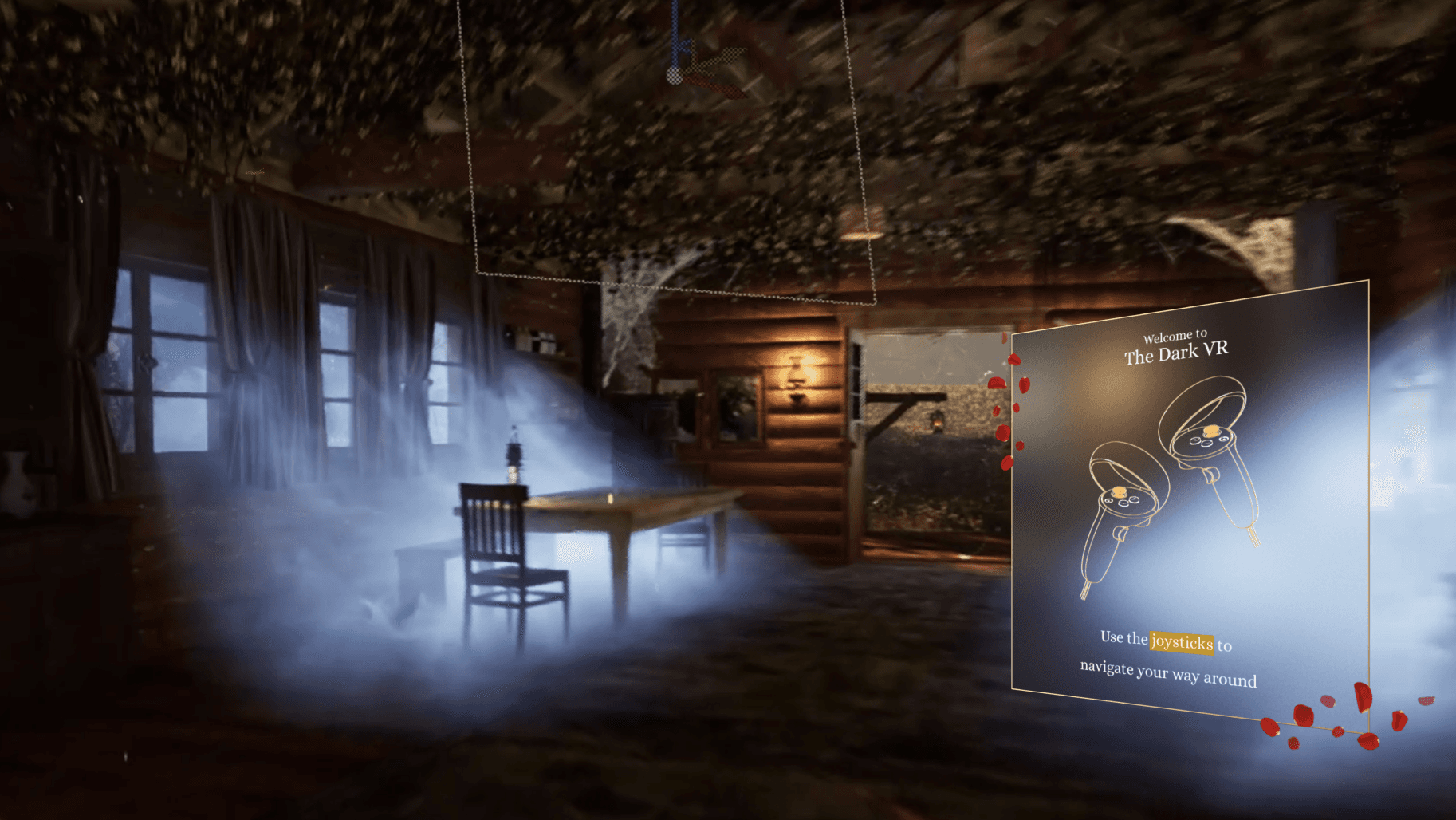
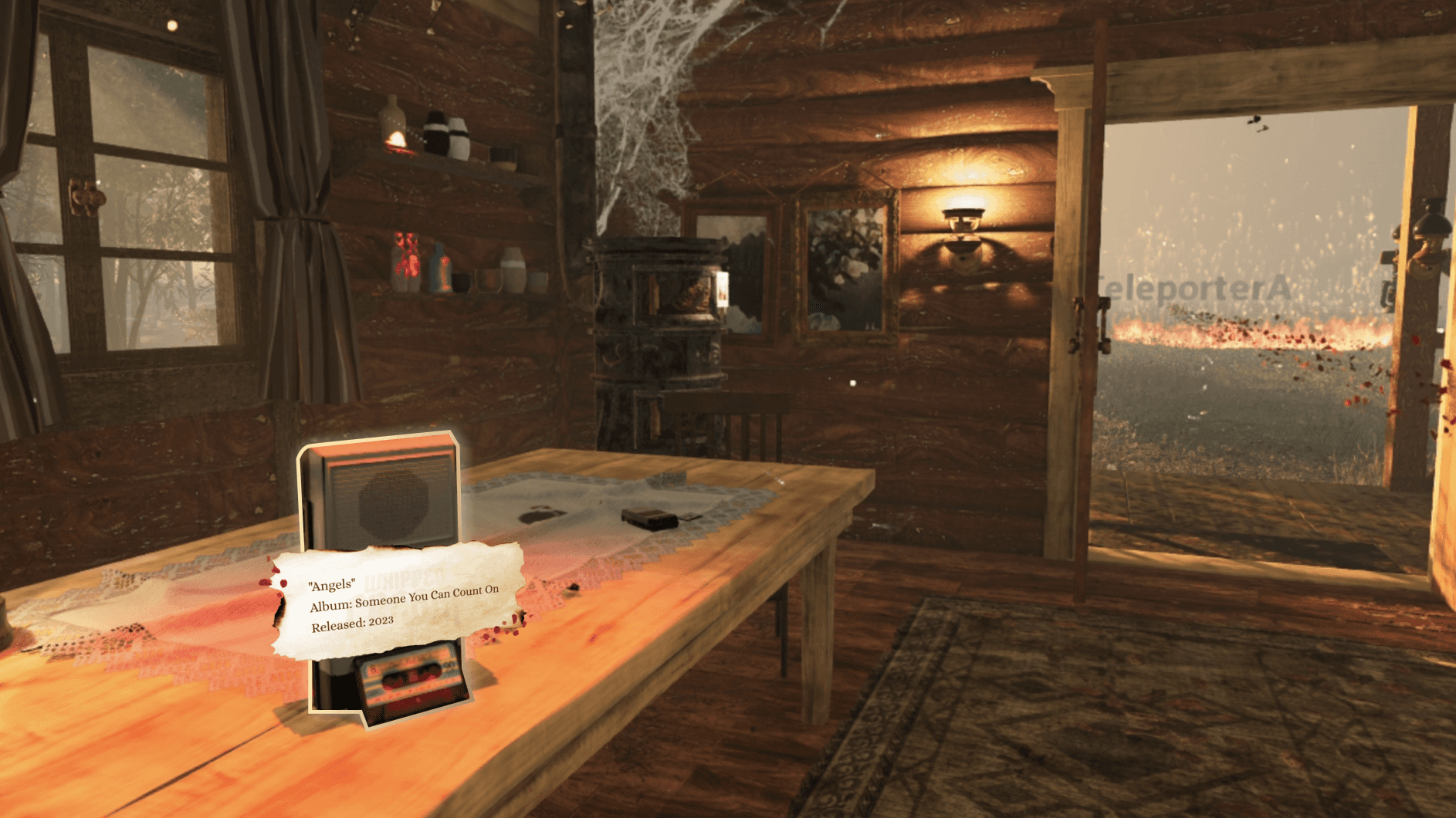
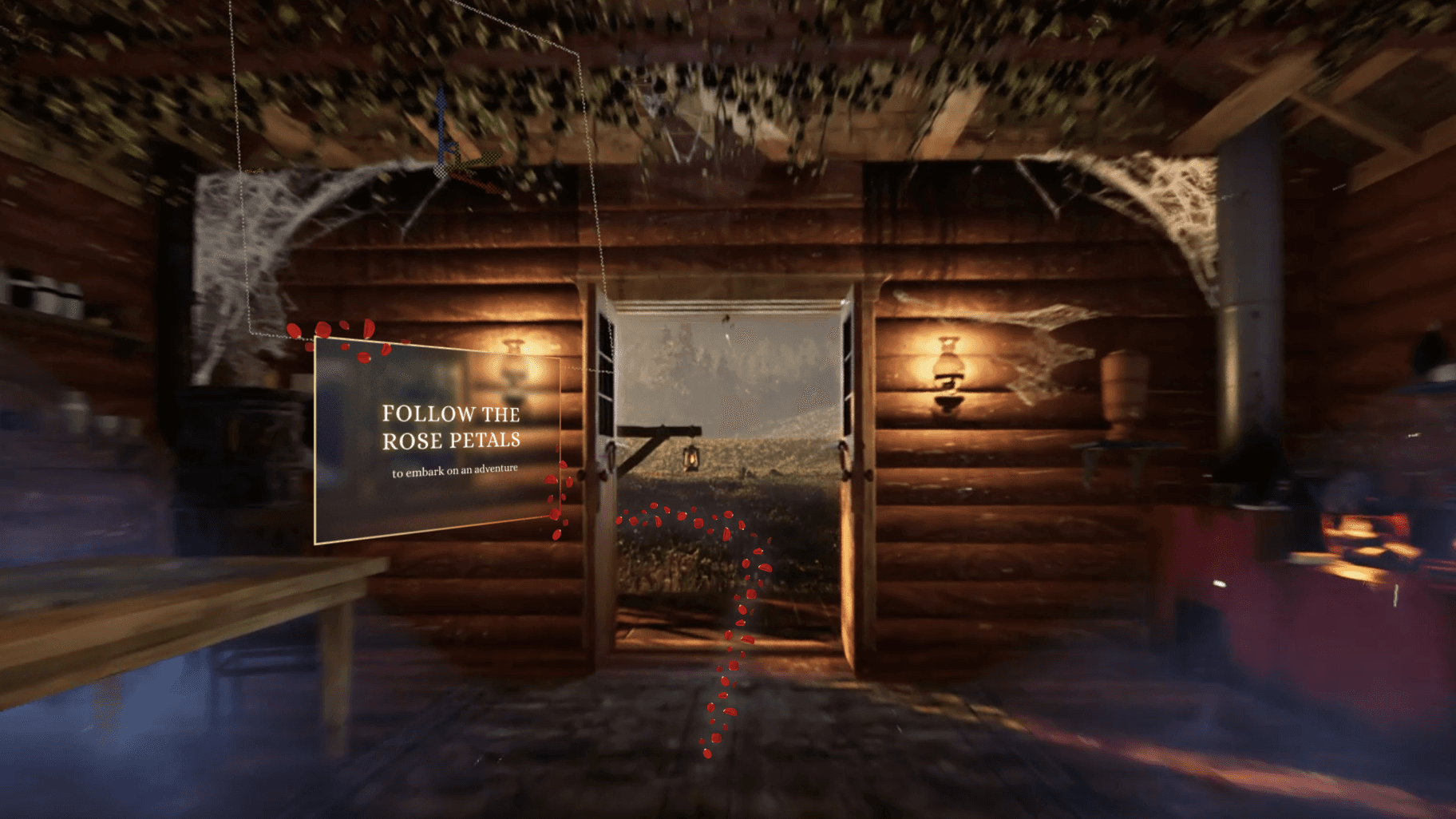
Designed in-world UI systems integrated into the environment, reducing reliance on traditional flat menus.
Narrative-Aligned User Journey
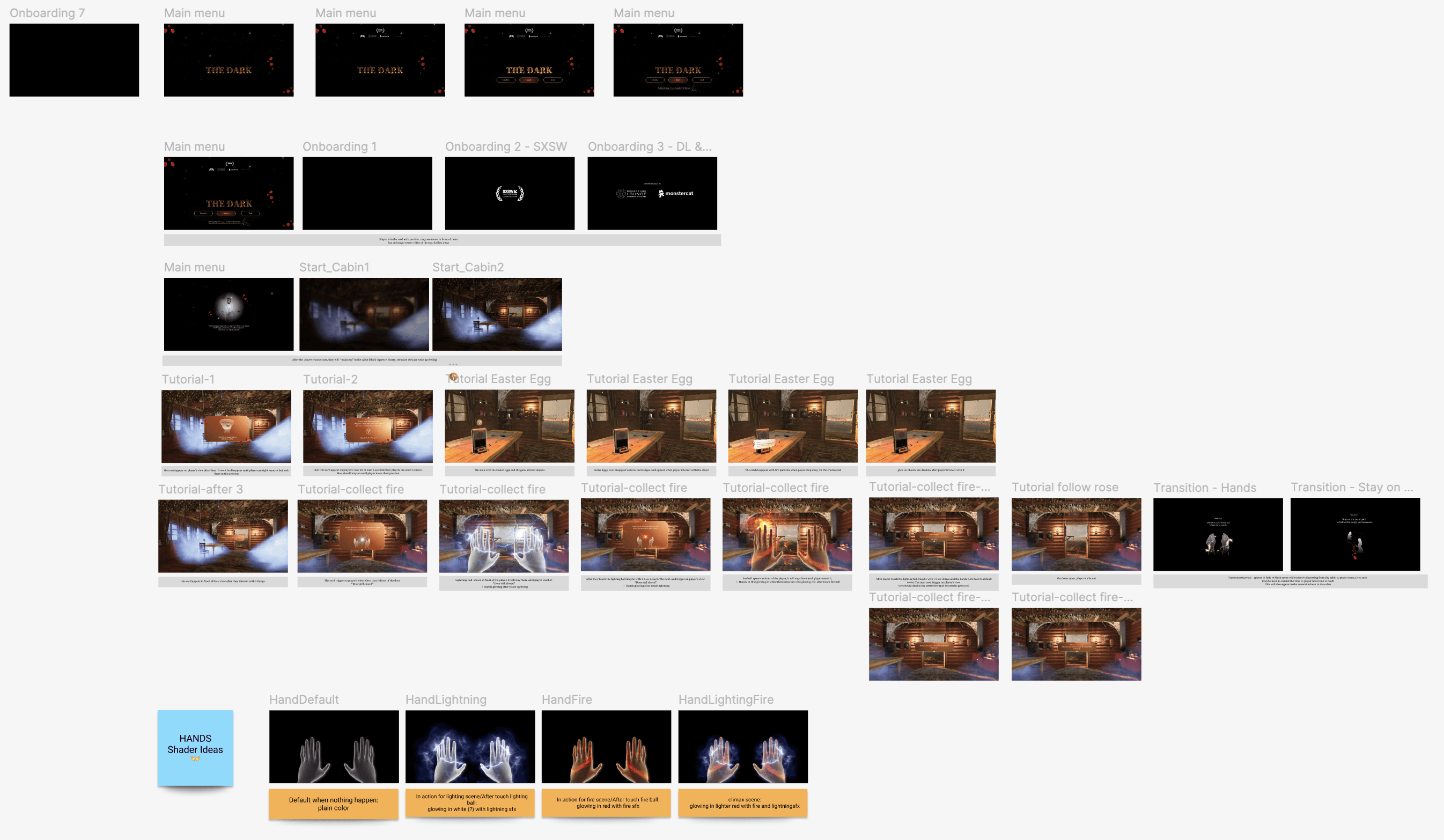
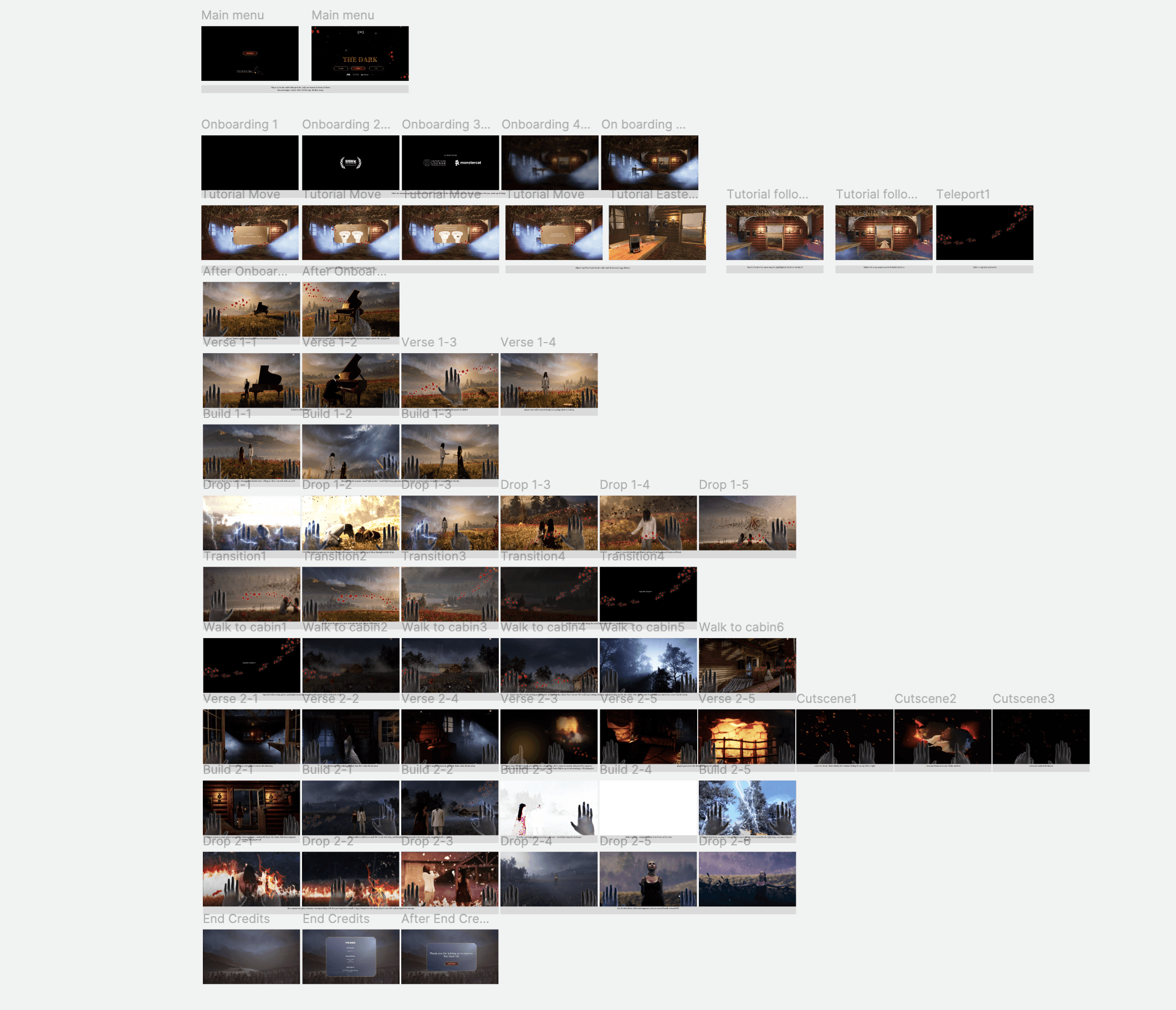
Structured the user flow to follow the emotional progression of the song, ensuring interactions support the narrative arc.
Interaction Design & Testing
Explored hand-gesture interactions during early prototypes, followed by multiple rounds of user testing.
Based on testing results, the interaction system was simplified to a single trigger input to improve usability for first-time VR users.
Visual Integration
Adapted assets from the 2D music video into the VR environment while collaborating with the Art Director and developers to maintain visual consistency.
🎯 Our Solution
Designing for immersion
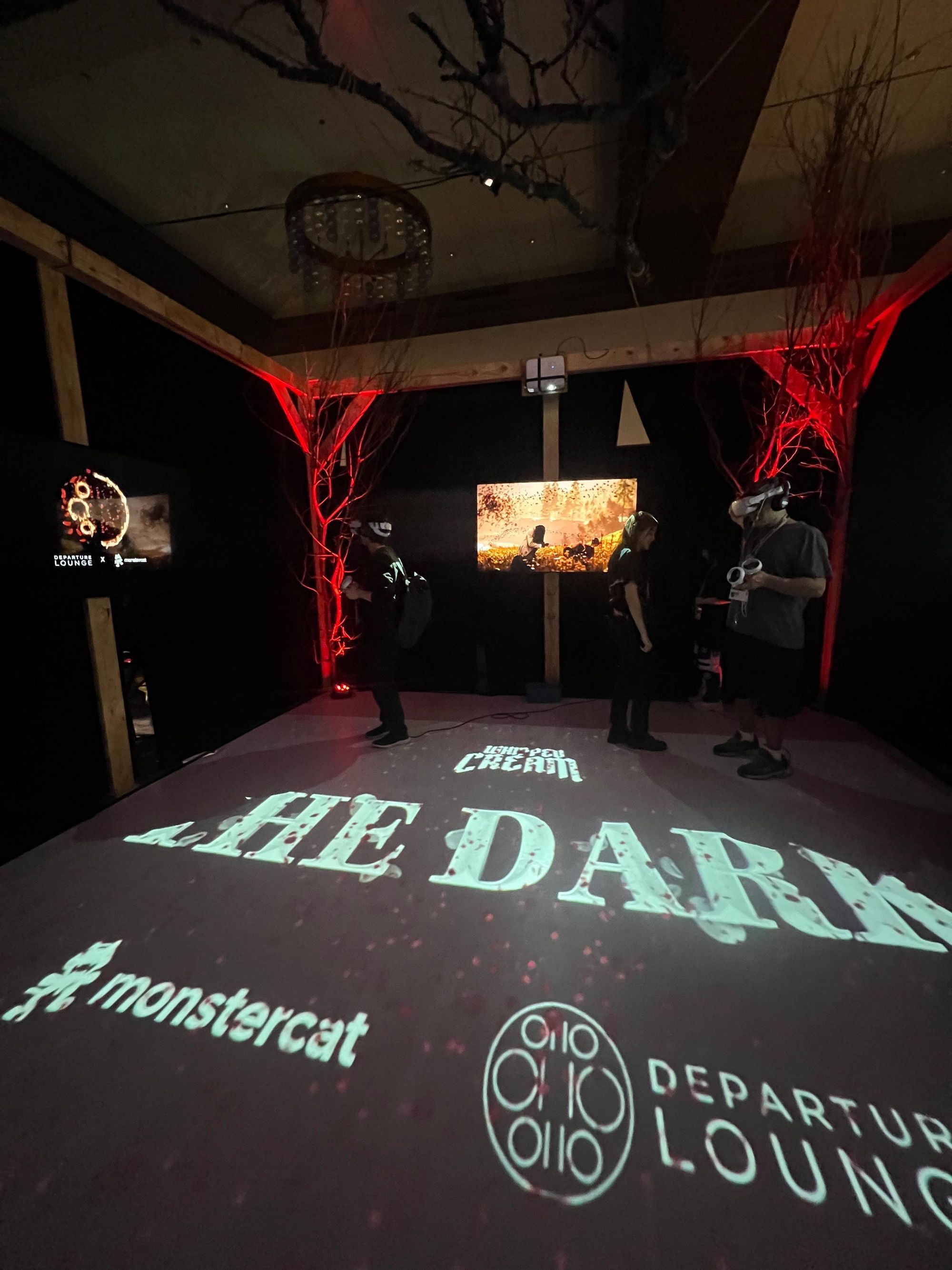
UI elements were intentionally minimal and integrated into the environment to avoid breaking the user’s sense of presence.
Simplifying interaction models
While early concepts explored gesture-based interactions, testing revealed that simpler input improved usability and focus.
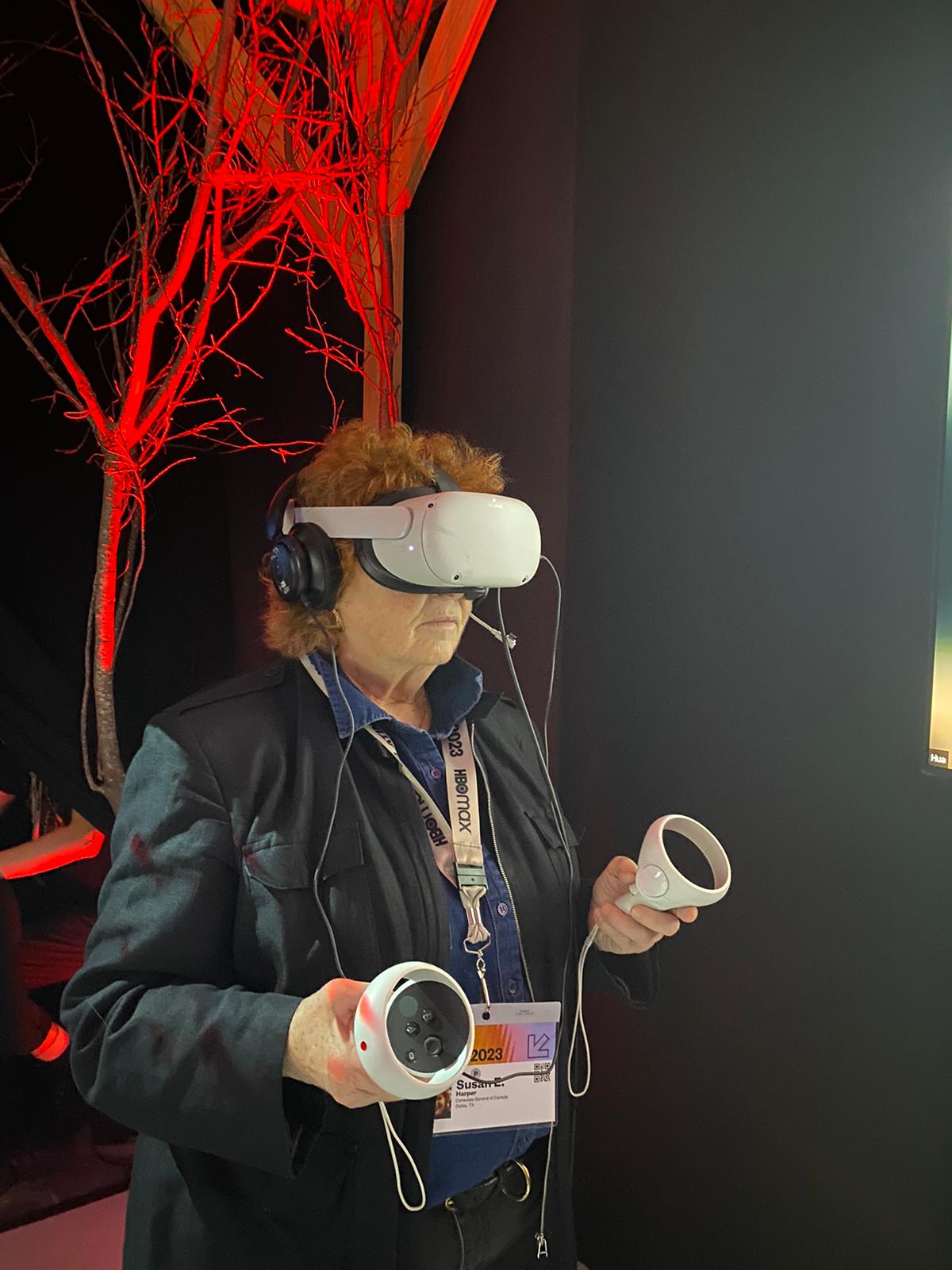
The final experience used a single-trigger interaction, reducing cognitive load for users unfamiliar with VR controls.
Aligning UX with storytelling
The interaction flow was designed to follow the emotional pacing of the music, ensuring the experience remained narrative-driven.
Adapting to technical constraints
Some visually ambitious concepts (such as glass-like UI materials) were revised after discussions with engineers due to Unreal Engine performance limitations.
⭐️ Outcome & Impact
The Dark VR was successfully completed and showcased internationally.
Key Results
Premiered at South by Southwest 2023
Initially showcased at Vancouver International Film Festival
Contributed to a project that received the CIMA BOLD Award
Delivered a polished immersive experience within a 2-month production timeline
The project received strong recognition from both industry professionals and festival audiences.
💡 Key Learnings
Designing within technical constraints: Some visually ambitious ideas (e.g. glass-like UI materials) were revised after discussion with developers due to Unreal Engine limitations
User focus over “cool” ideas: Hand gesture interactions were removed after testing revealed they distracted users from the music experience
ALWAYS, always, always designing for first-timer users: despite assumptions, most SXSW users were new to VR, reinforcing the value of simple, intuitive interaction design
Start simple, then layer complexity: A minimal control scheme allowed users to focus on emotion and storytelling rather than mechanics
This project deepened my understanding of immersive UX, VR interaction design, and collaborative production under tight timelines, while reinforcing the importance of user-centered decision-making in experimental mediums.