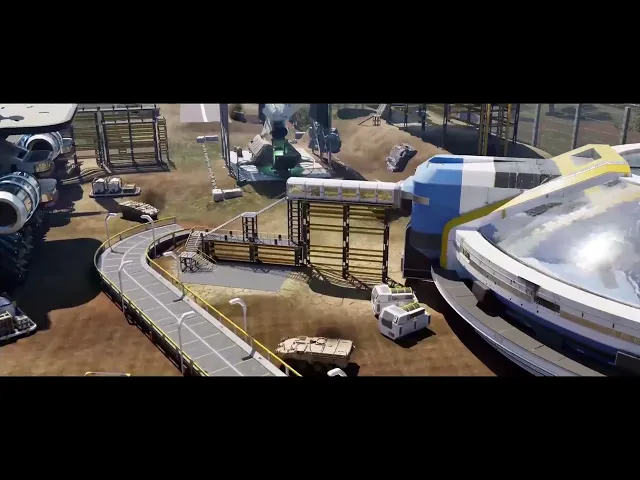
Metaverse Project for the Shiba Inu crypto ecosystem
CATEGORY
Interactive
TIMELINE
1.5 Year
INDUSTRY
Web3/Metaverse
TOOLS
Figma, Adobe Creative Suites, Unreal Engine
💬 Project Overview
🌱 Problem & Opportunity
Shib: The Metaverse was a from-scratch product, a new virtual world for the Shiba Inu community with no existing UX to build on and no established playbook for what a Web3 metaverse should feel like.
The core design challenge was scope. A metaverse isn't one product, it's many: an avatar system, a building tool, a launcher, a social layer, a landing experience. Each one had to feel intuitive on its own and part of a single, coherent world. For mainstream users unfamiliar with Web3, the bar was even higher: every system had to be approachable on first contact, without sacrificing the depth that long-term community members expected.
The opportunity was to build a design foundation that could hold all of this together, a shared visual language, interaction patterns, and component system that would let the product scale without fragmenting..
👩🏻💻 My Role
I worked as the UI/UX Designer leading end-to-end design across the core user experience of the metaverse platform.
Responsibilities
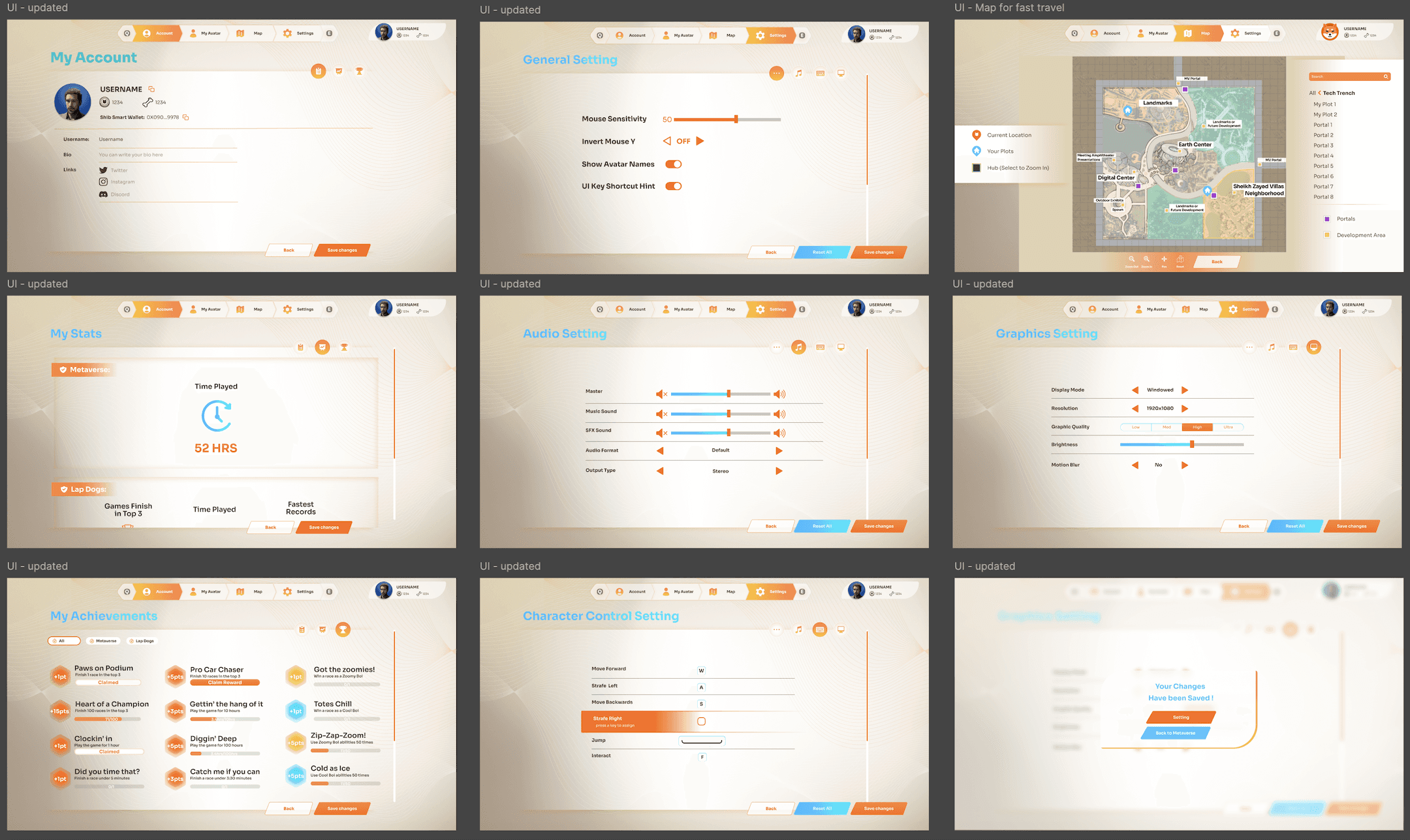
Designed wireframes, interaction flows, and high-fidelity UI
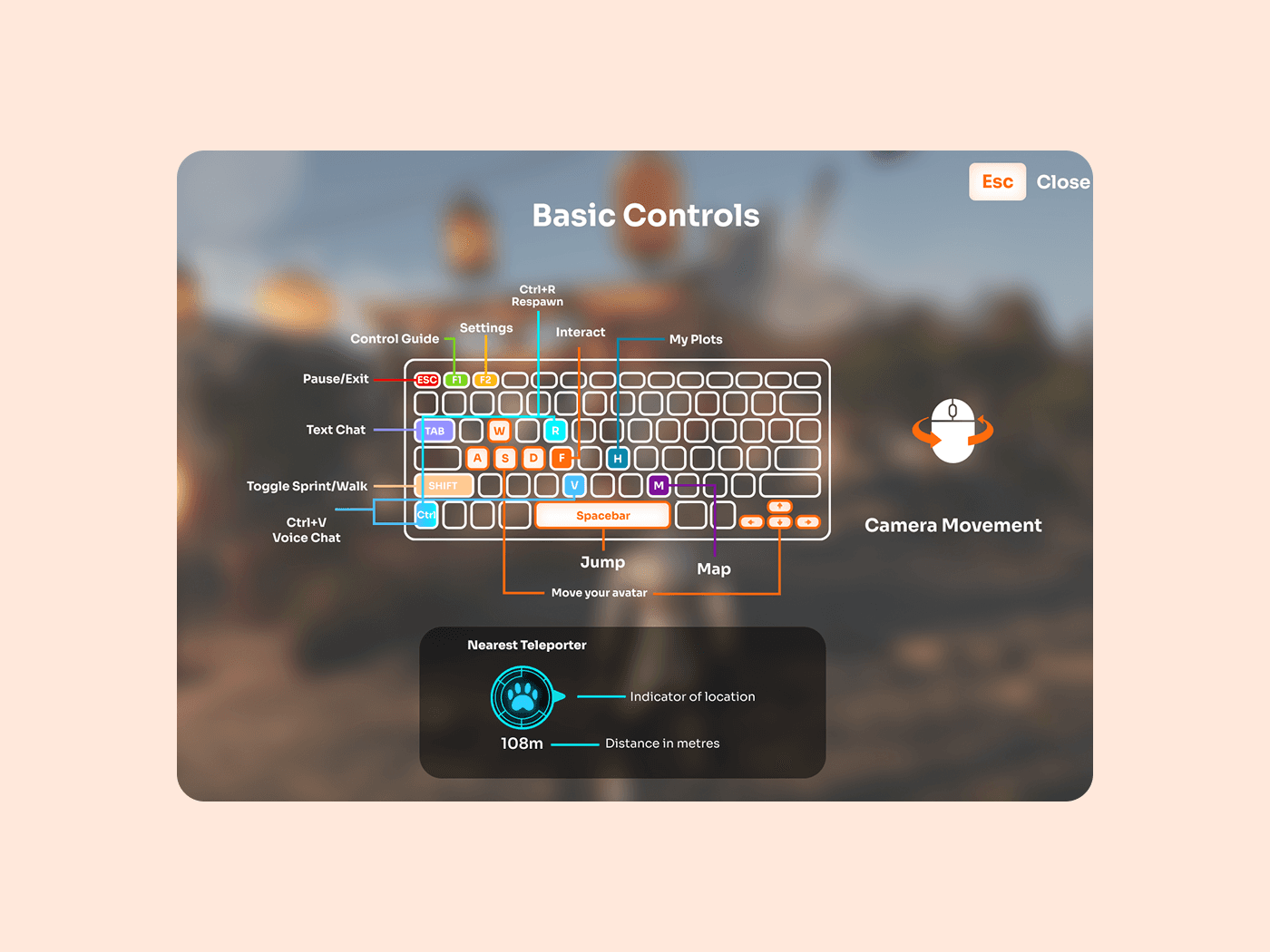
Led UX design for in-game systems, menus, chat, and onboarding
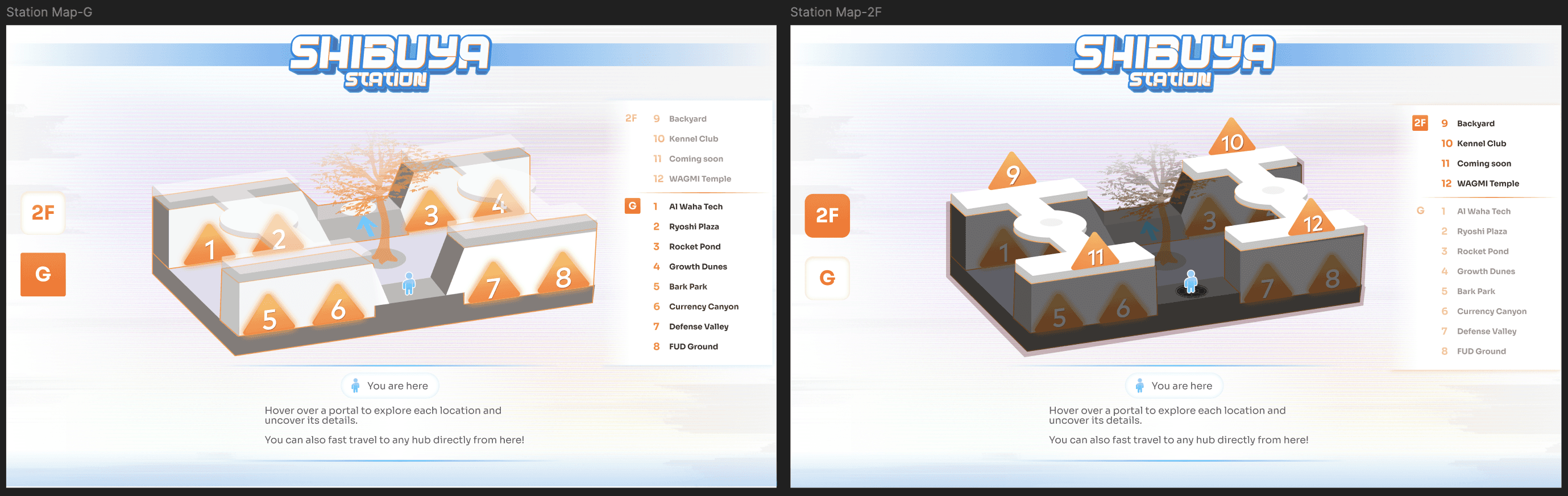
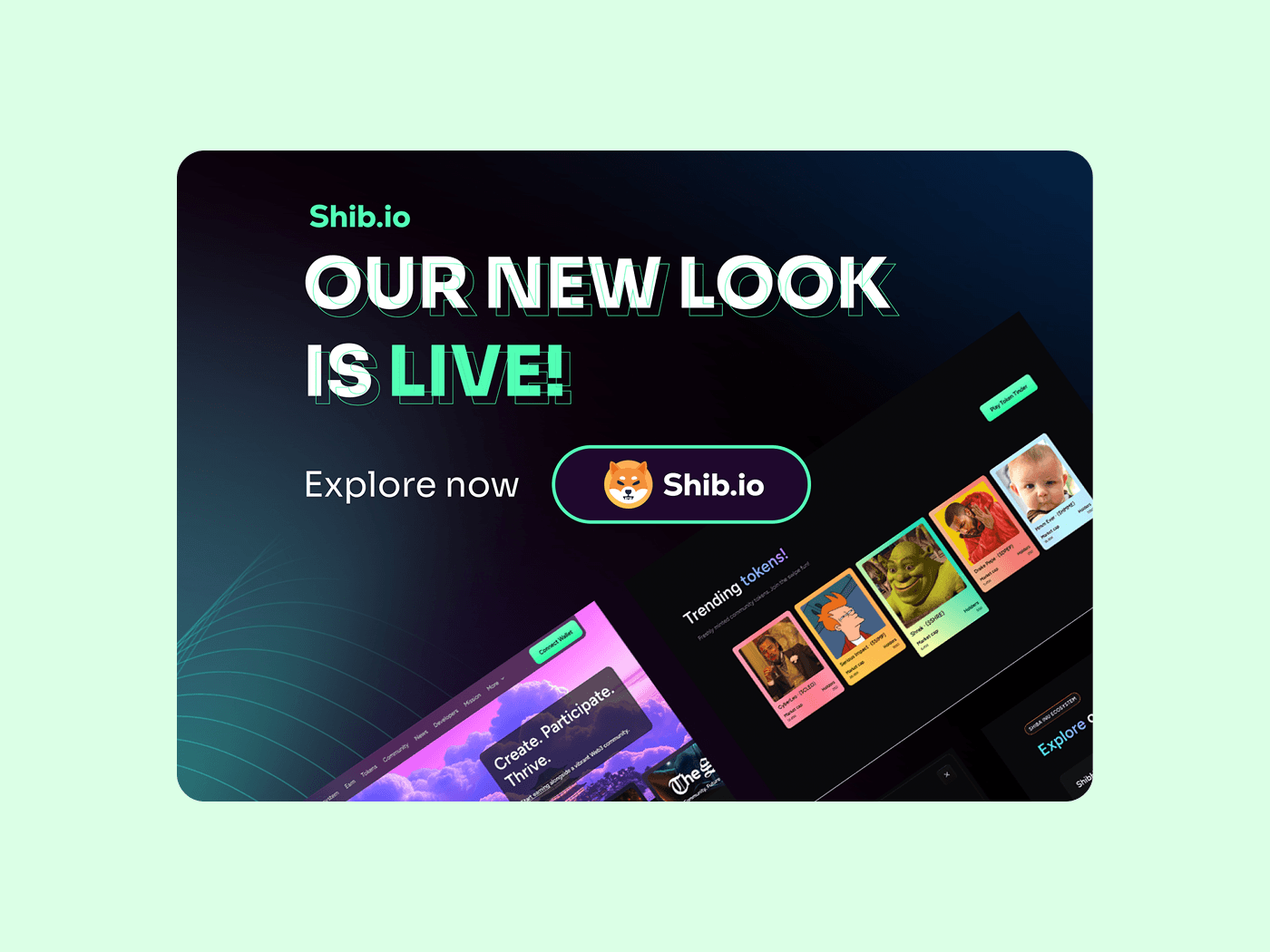
Designed web and launcher experiences
Collaborated with product managers, engineers, and art directors
Iterated designs through usability testing and development feedback
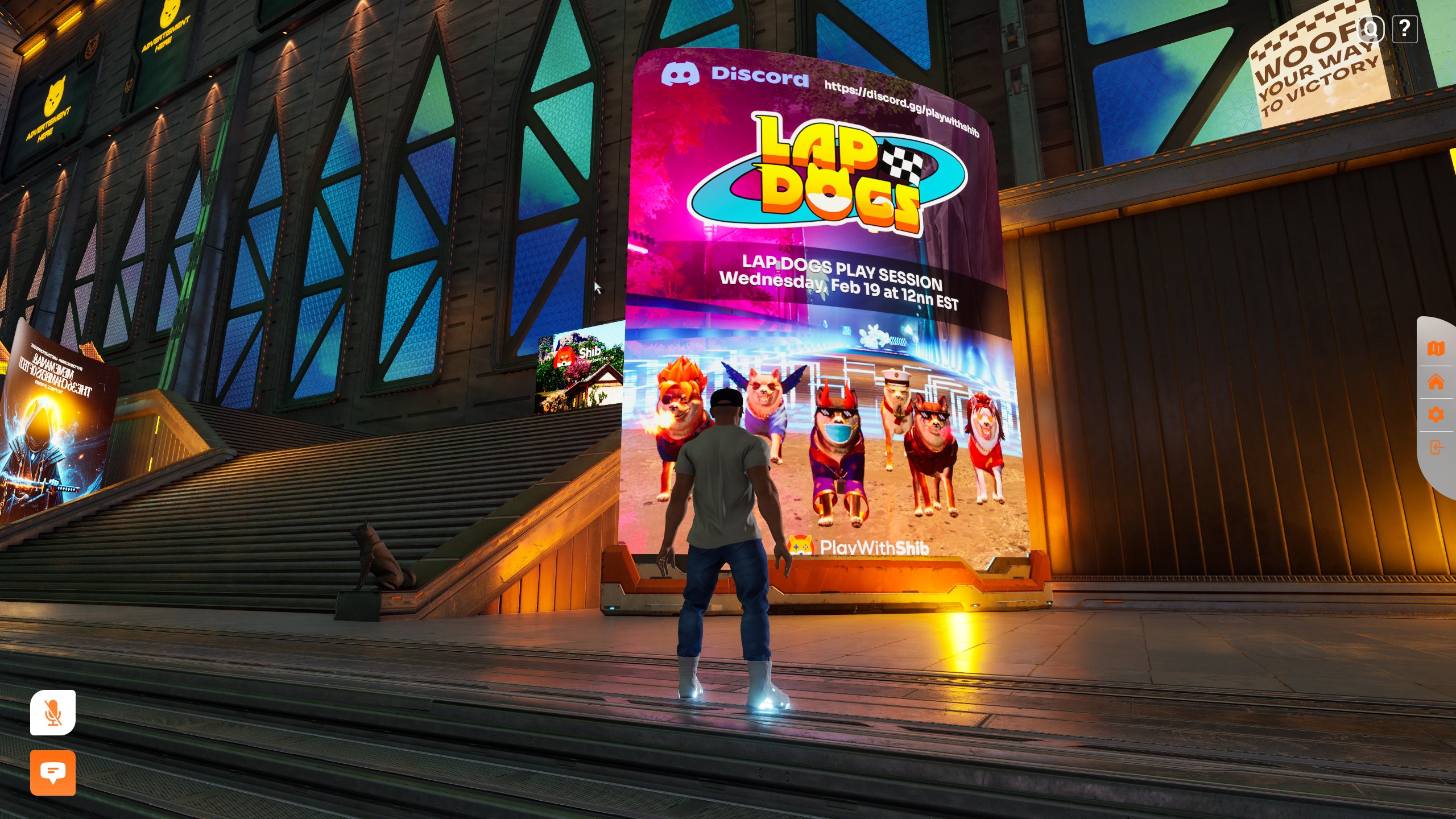
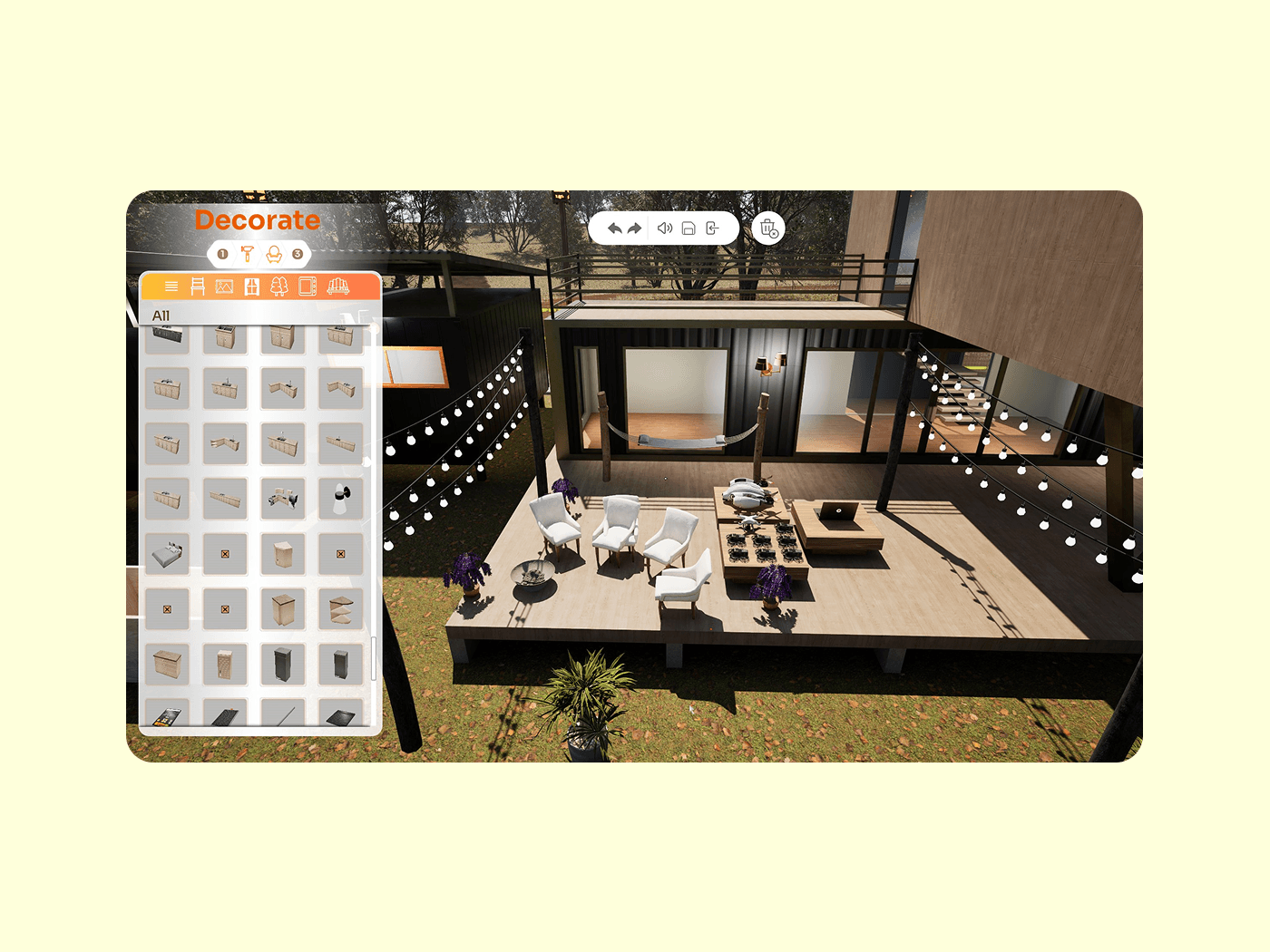
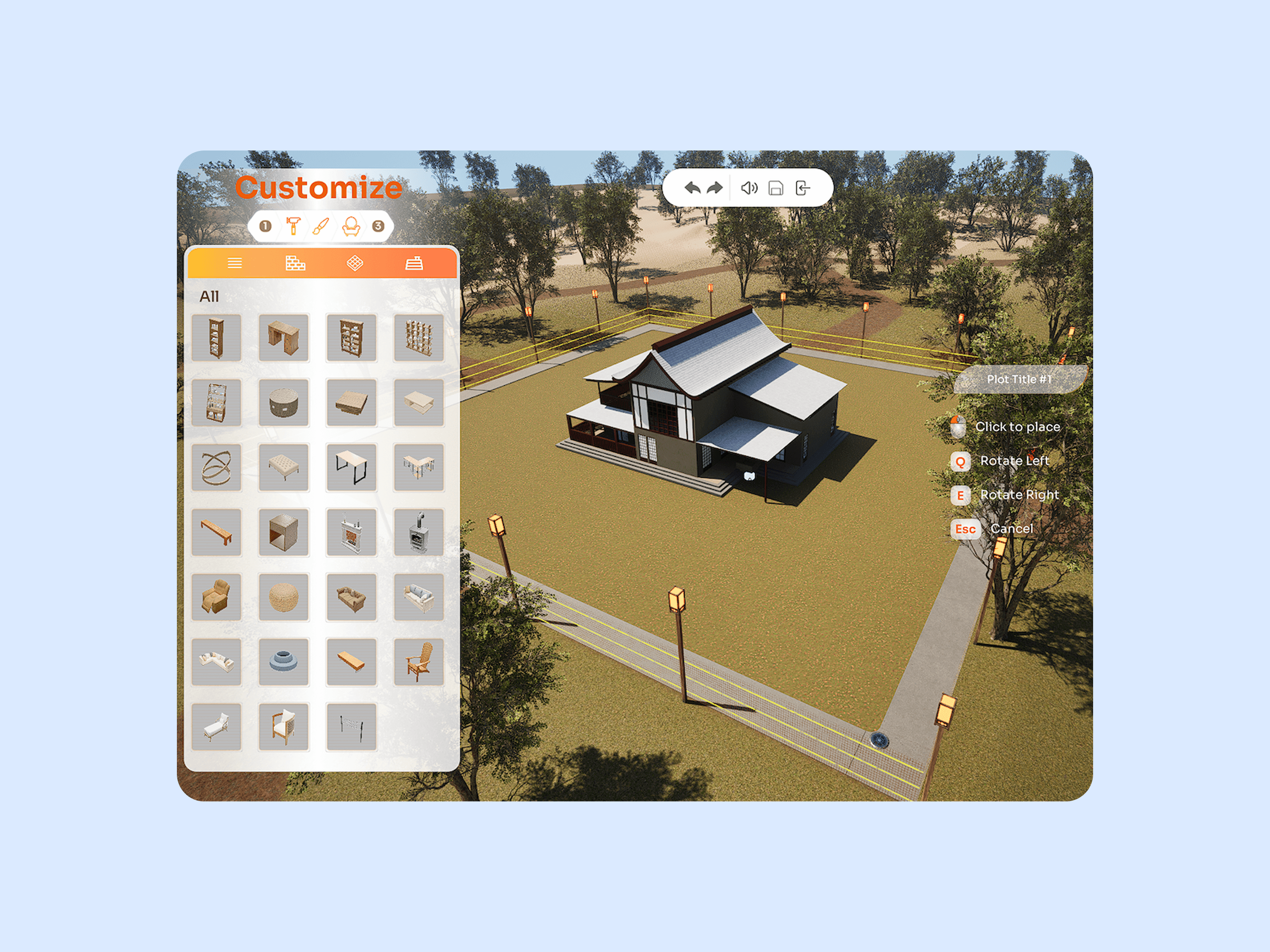
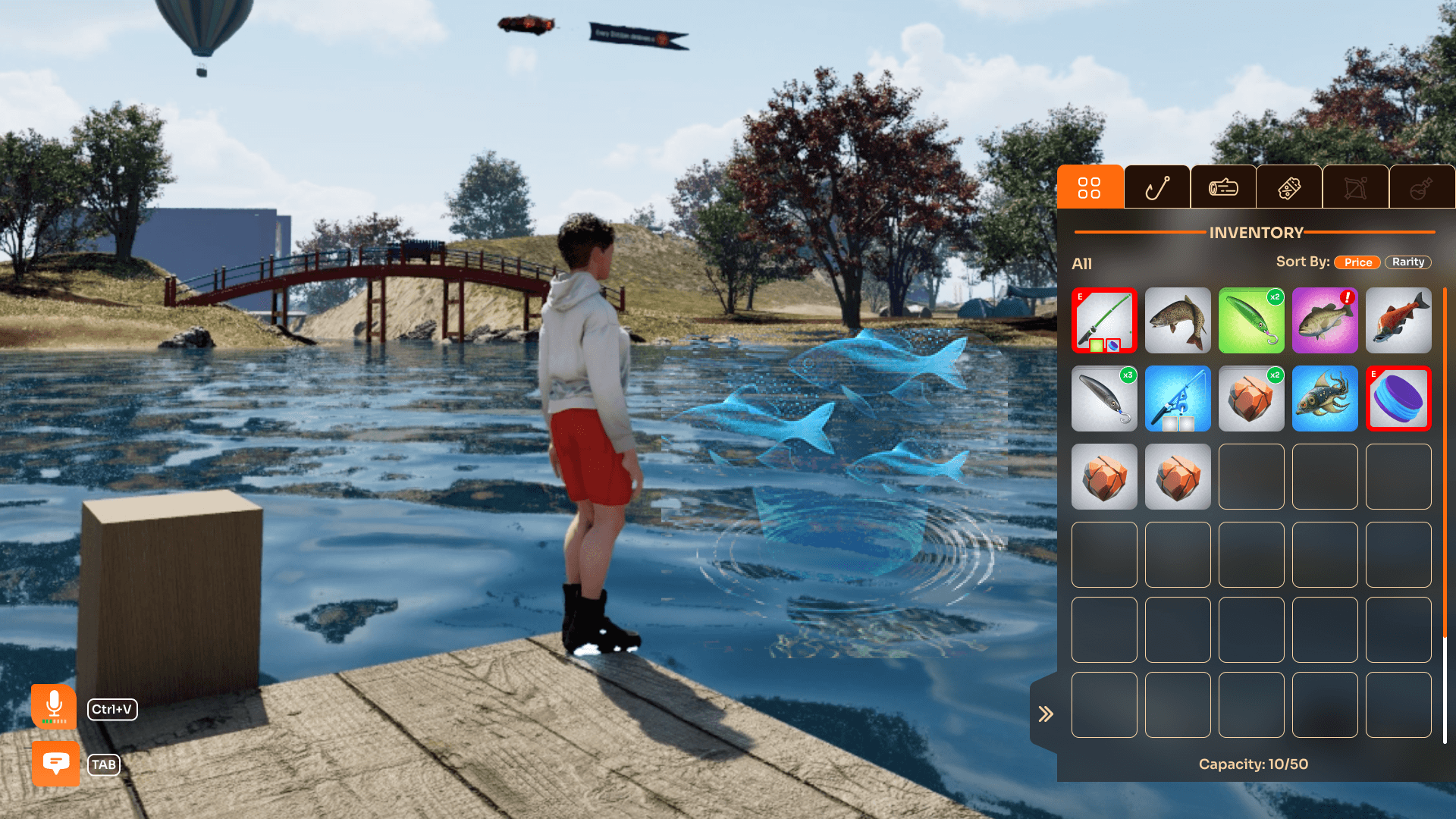
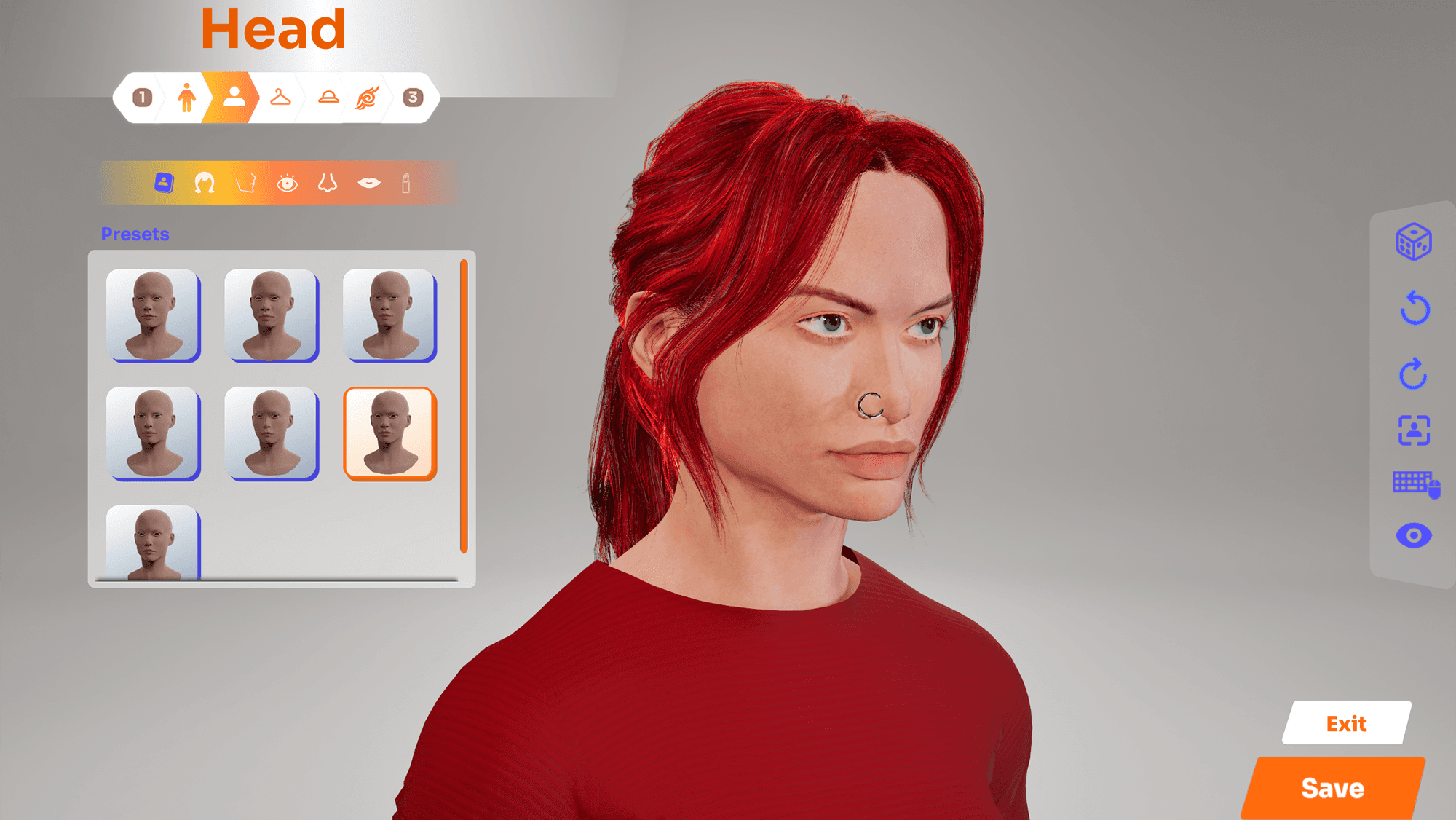

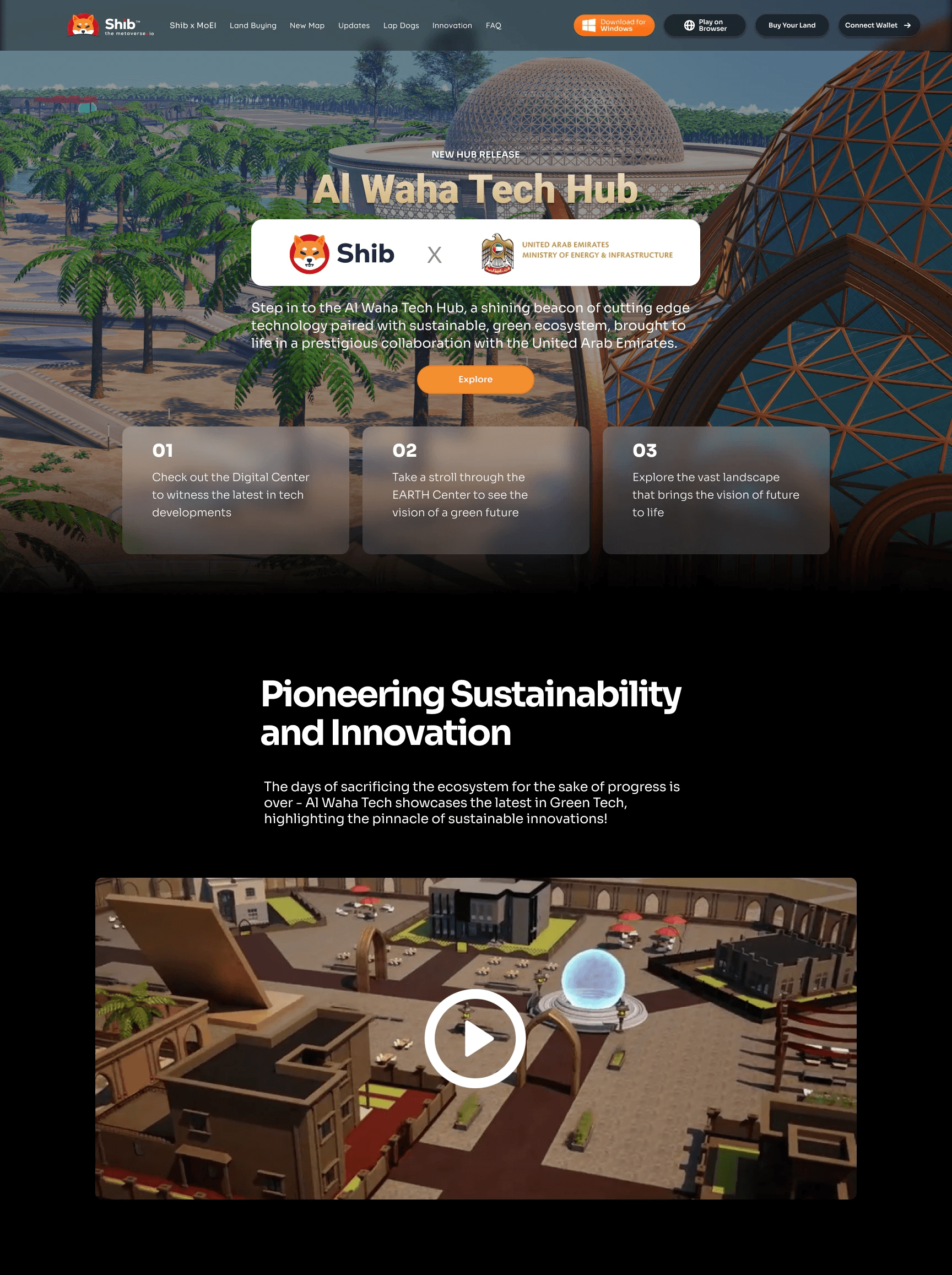
🏆 Project Scope / MVP
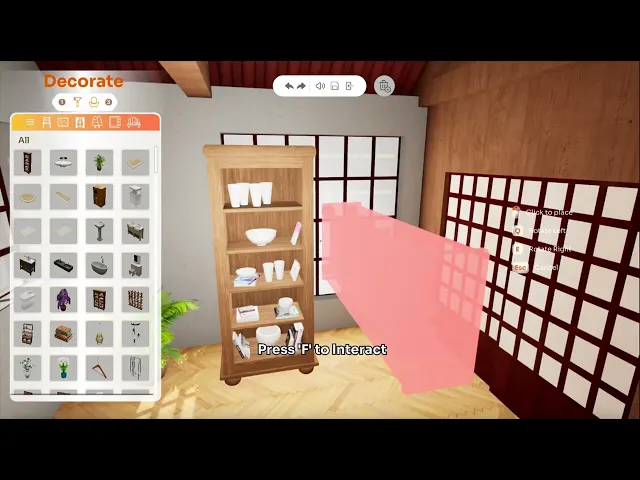
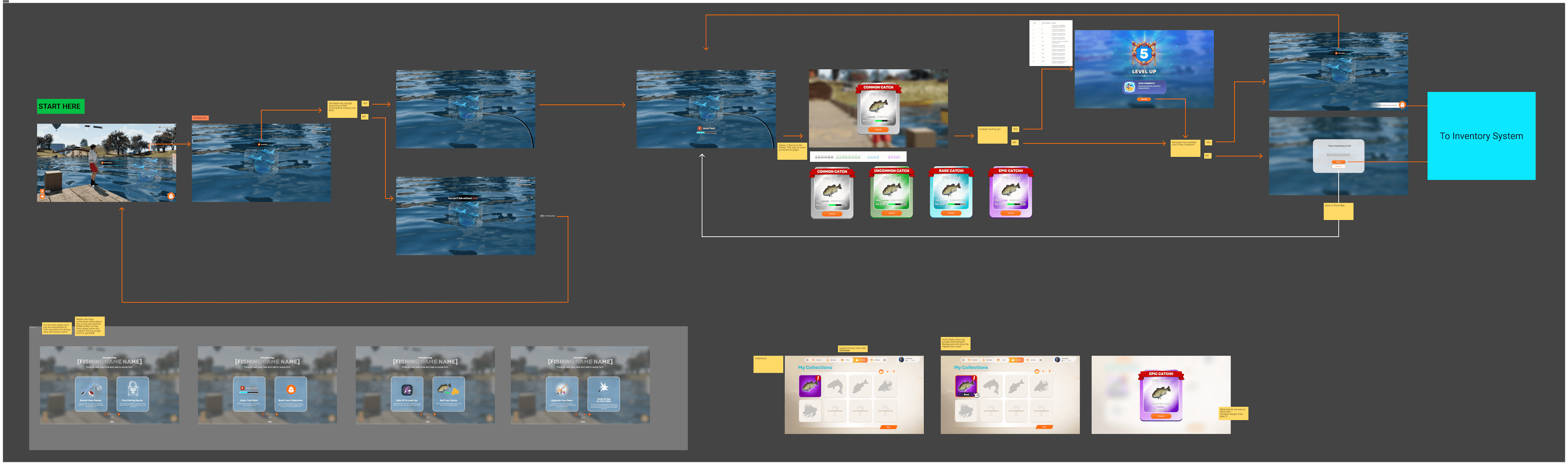
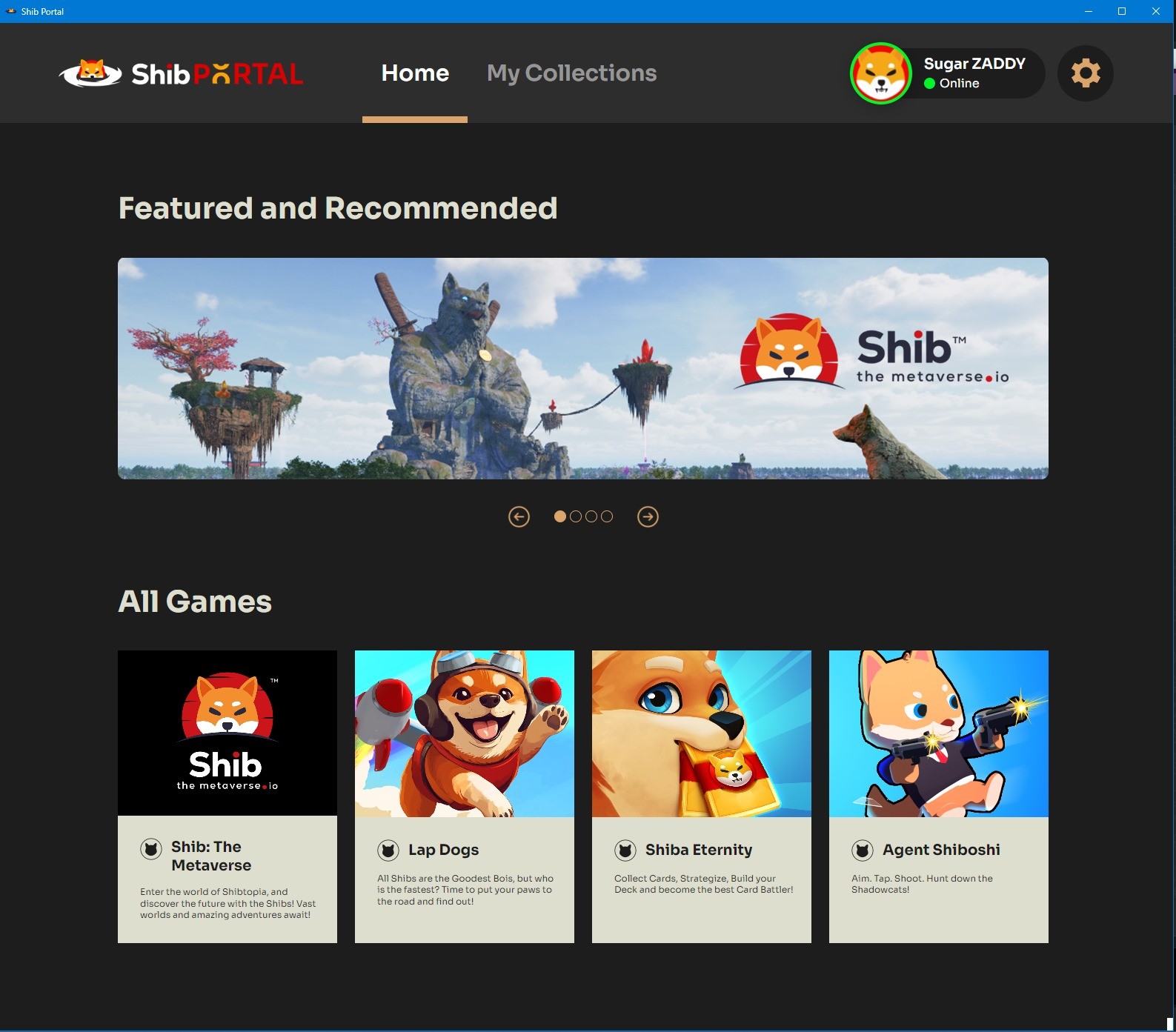
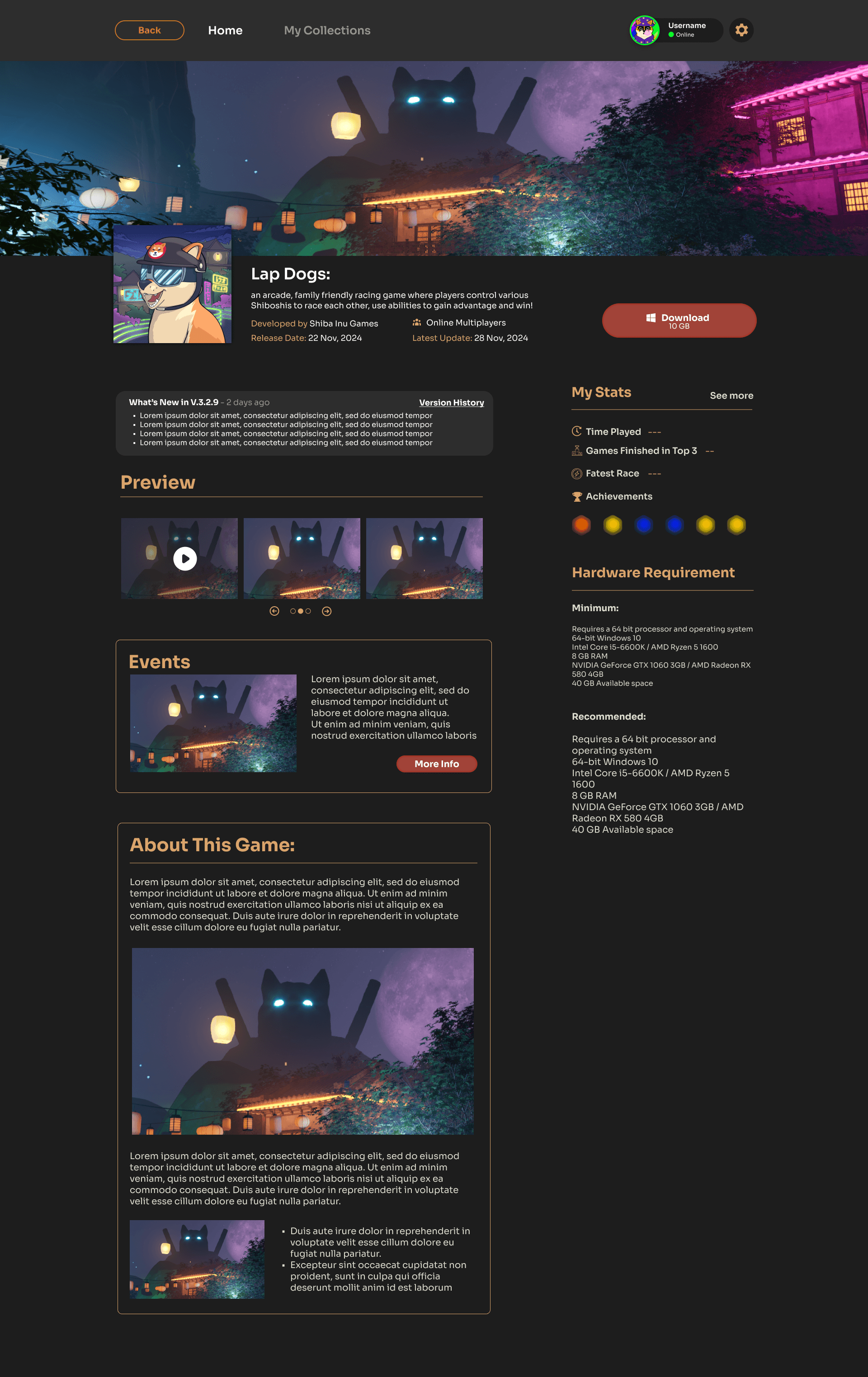
🎯 Our Solution
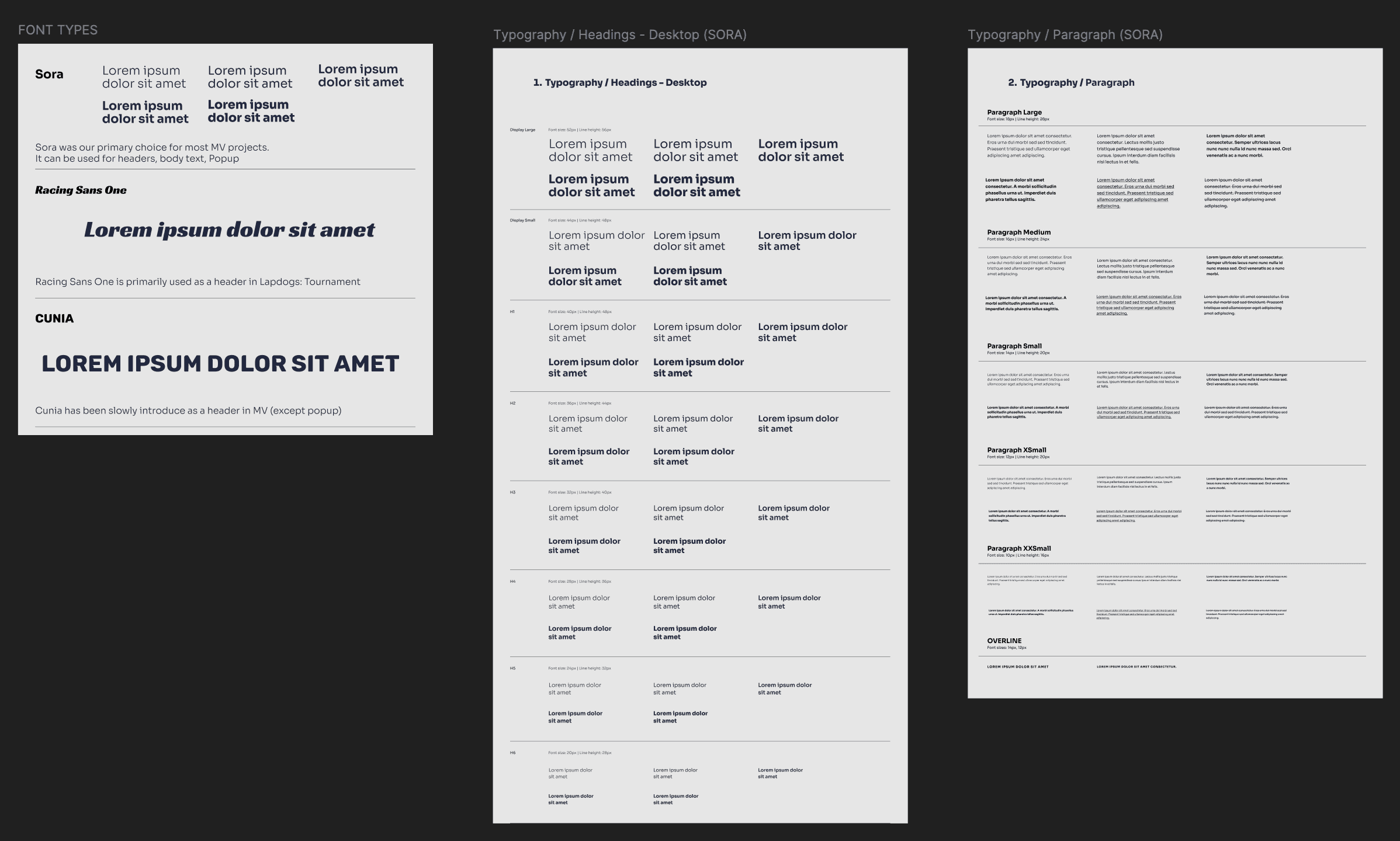
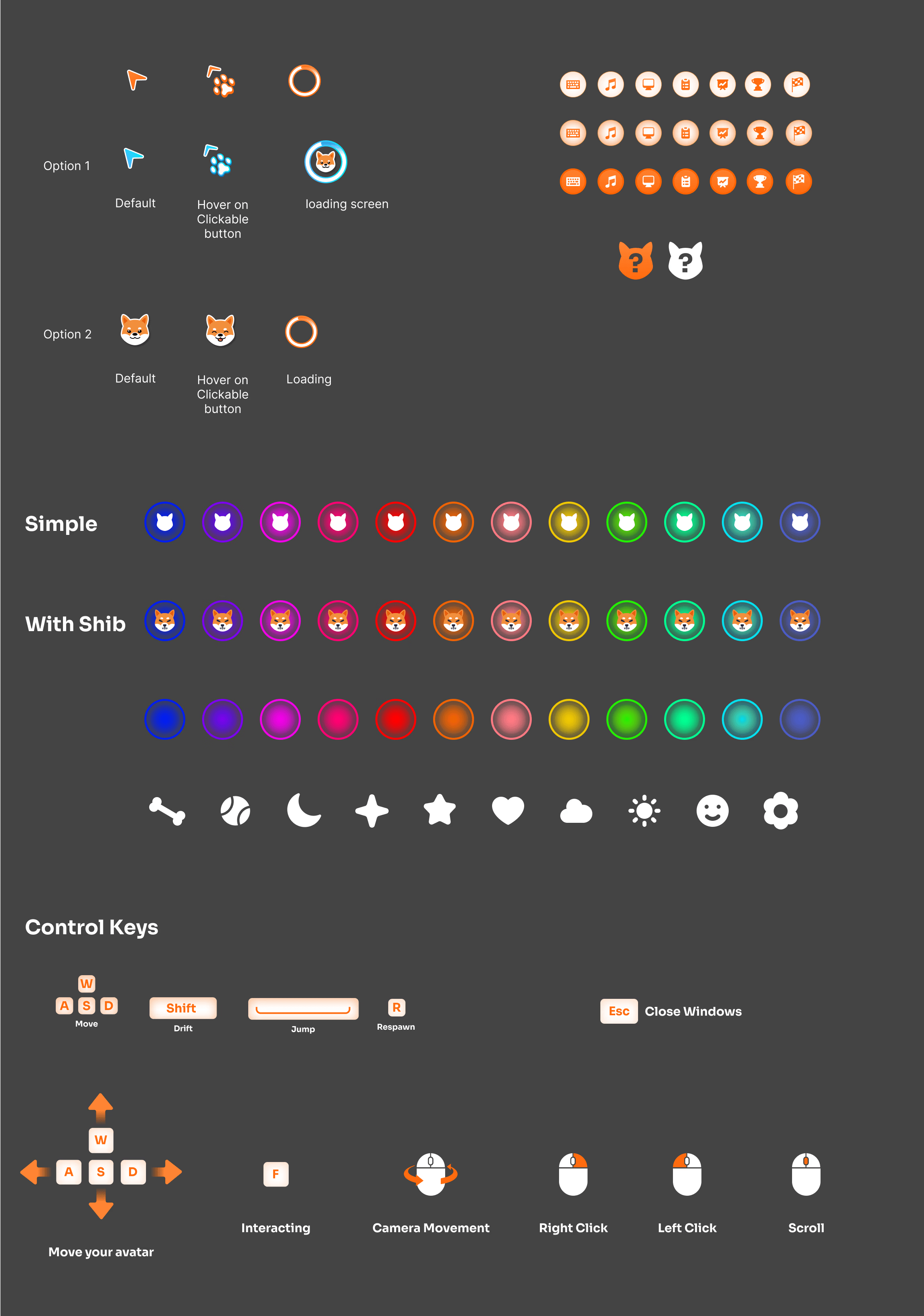
Building a design system
I was the only designer on a team in crunch mode, and the engineers wanted screens, not systems. But the project wasn't one product, it was many (Avatar Builder, Plot Builder, HUD, launcher, landing page), and without a shared foundation, every new feature would drift.
I negotiated three days to set up the core tokens, components, and patterns then delivered the screens the team needed, and returned to harden the system in parallel as the project grew.
The system started lean on purpose. Documenting "just enough" meant I'd refactor as the product evolved, but it also meant the concept designer and art director who joined later could plug in immediately instead of reverse-engineering a system after the fact.
Designing for creativity
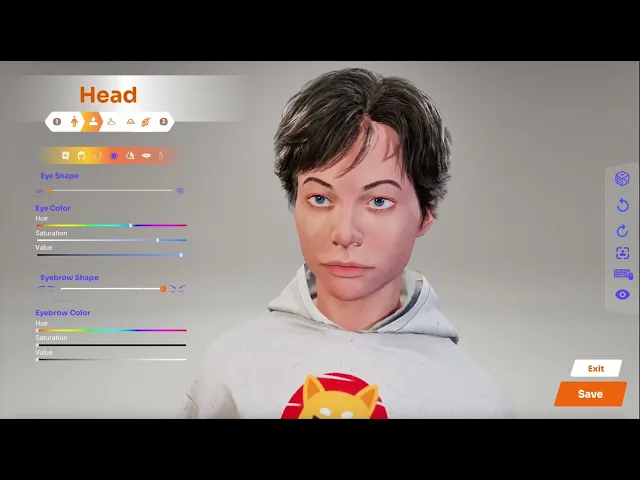
The Avatar and Plot Builders open with curated presets as a starting point, with full customization available underneath for users who want to go deeper. Beginners aren't faced with a blank canvas; experienced users aren't capped by training wheels.
Creating a cohesive ecosystem
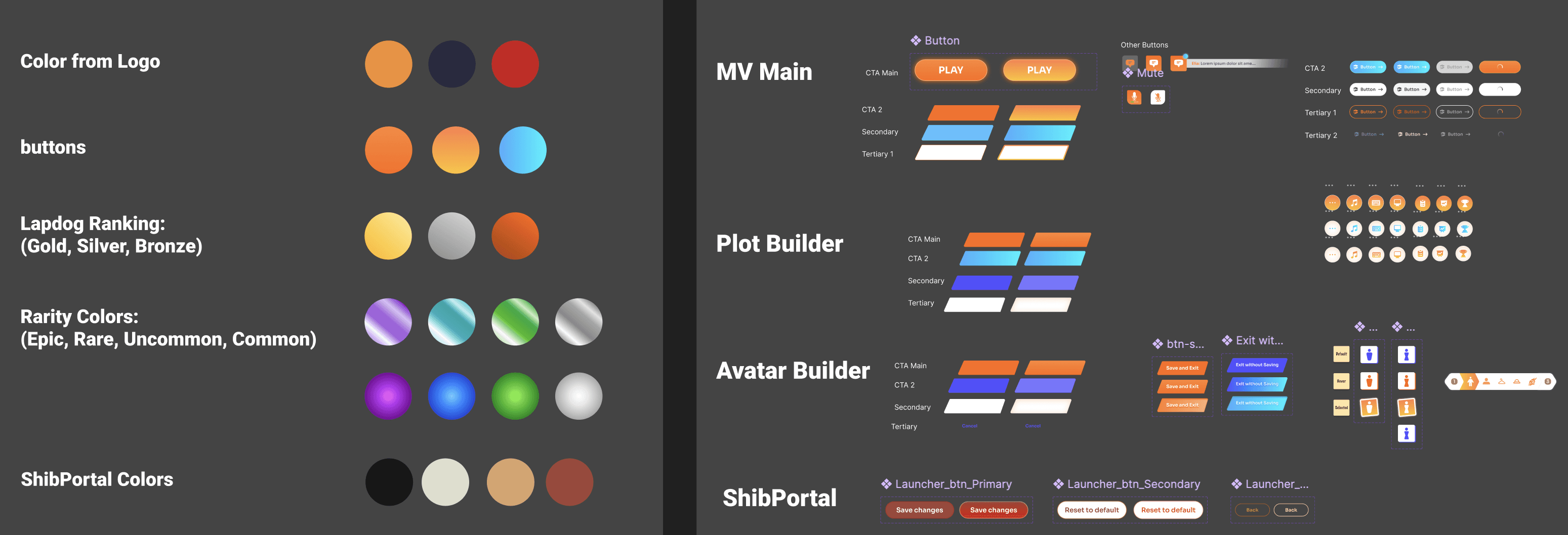
A shared navigation bar, button and icon system, and CTA color hierarchy carry across in-game UI, launcher, and web — so moving between Shib's surfaces feels like one product, not five.
Scalable design framework
The Figma library was structured as the team's source of truth. Components, tokens, and reference screens in one place so new designers and engineers could check a single source instead of asking "which version is current?"
⭐️ Outcome & Impact
What we shipped The full MVP, Avatar Builder, Plot Builder, HUD, Shib Portal, landing page, and the supporting design system, launched in under a year, with a single designer on the team for most of that runway.
Early traction In the first week of launch, 200+ users signed up and created avatars, a meaningful early signal for a from-scratch Web3 product targeting both crypto-native and mainstream audiences.
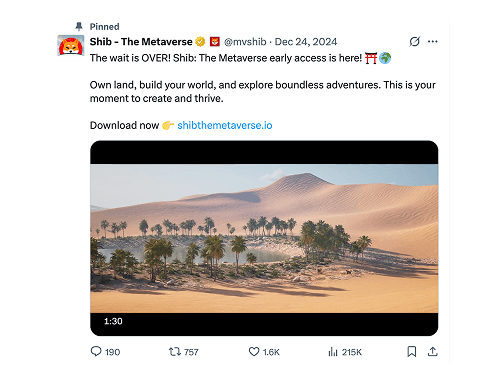
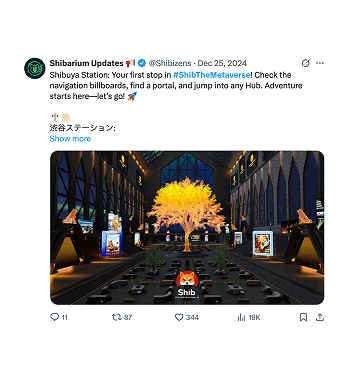
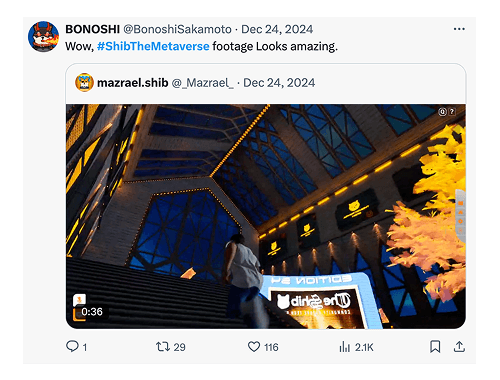
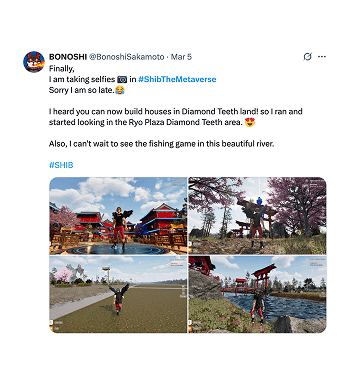
Community response Post-launch, Shib: The Metaverse generated active conversation on X within the Shiba Inu community, and the internal team retro called out the design system specifically as the reason new features could ship as fast as they did.
The project also strengthened the overall brand presence and user experience of the Shiba Inu ecosystem.
💡 Key Learnings
Working on Shib was a huge learning experience. It was my first time designing a large-scale metaverse with no precedent to lean on, and I learned that the most important design decisions weren't the screens themselves, they were the moves I made early to set the team up for scale, like fighting for three days to build a design system before anyone thought we needed one.
I also learned how much great design depends on the people next to you. Shoutout to Elia, Angel, and the rest of the MV team for making the journey smoother and funner :P
More details about Shib the Metaverse project can be view here